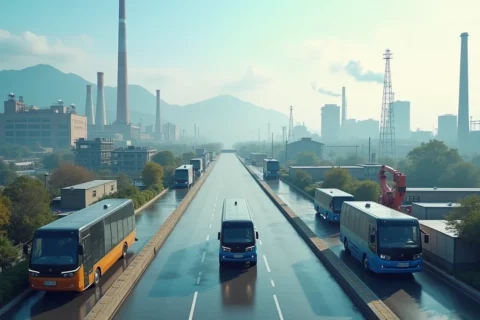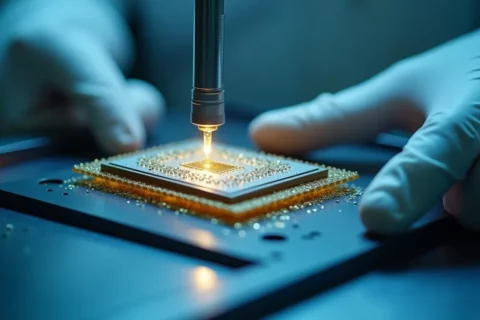
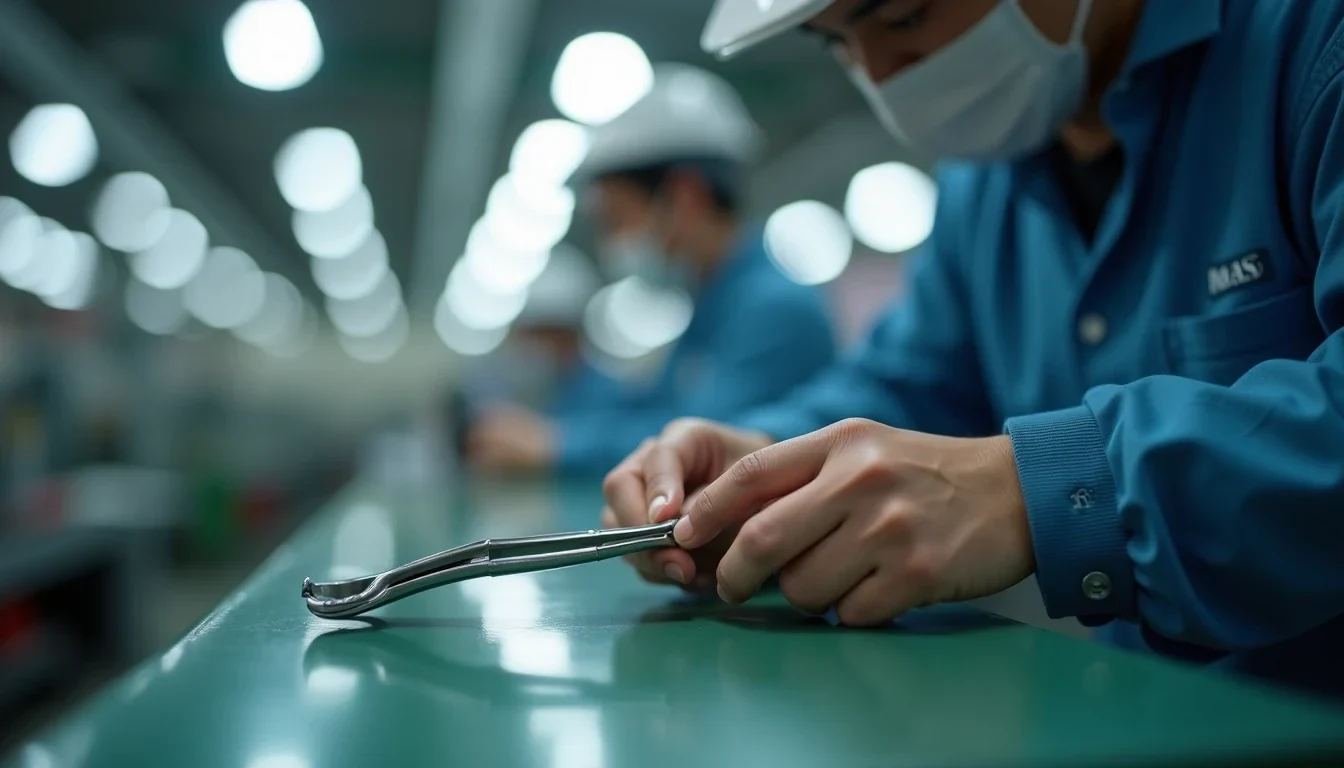
Three Seven’s 777-branded nail clippers sell in pharmacies from São Paulo to Sydney for roughly the price of a coffee. This ubiquity is the visible residue of an industrial strategy. A city-sized factory in Incheon became the proving ground for precision metallurgy at scale, then fed those skills directly into the supply chains now building AI accelerators and LNG carriers.
The Unlikely Monopoly
Daesung Metal launched Three Seven in the 1970s with a simple brief: reverse-engineer Western nail clipper designs, then manufacture them faster and more consistently than anyone else. The company hit 80 to 100 million units annually within a generation, exporting approximately ninety percent of output. Competitors in Europe and North America never mounted a serious response. Japanese firms like Suwada occupied the handcrafted luxury tier, but the mass market for reliable, corrosion-resistant everyday clippers became functionally Korean.
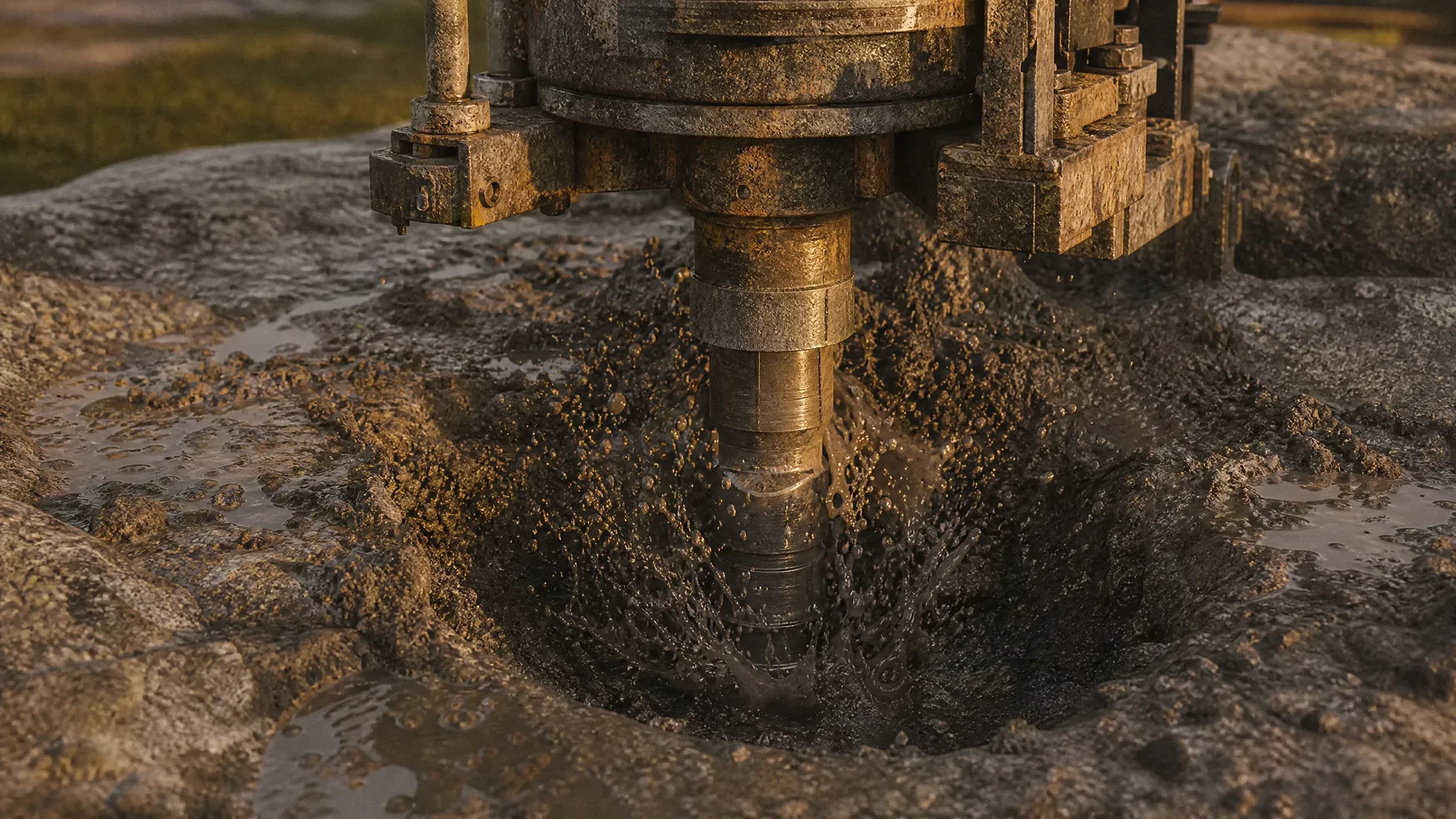
The product itself demanded more engineering than its price suggested. It required consistent jaw alignment to zero tolerance, heat treatment protocols that kept edges sharp through years of use, and chrome plating that prevented rust in humid climates. These were not trivial problems at volume. Solving them required high-speed metal stamping, precise tempering, and quality control systems that could maintain standards across millions of identical parts.
Steel and State Direction
POSCO’s commissioning in the late 1960s and early 1970s changed what Korean factories could assume about their inputs. The government-backed steelworks became one of the most efficient producers globally, flooding the domestic market with high-grade carbon and stainless steel at prices well below international benchmarks. A metal presser in Incheon and a shipyard in Geoje accessed the same raw material quality and the same cost advantage relative to foreign rivals.
State economic planning reinforced this foundation. Policy explicitly favored heavy manufacturing, export orientation, and the accumulation of precision metalworking capability. Small and medium enterprises learned high-tolerance stamping and heat treatment as daily survival skills, with government support structures reducing the cost of failure.
The Cash Flow Argument
South Korea’s post-war industrial planners understood something their counterparts elsewhere often missed: a monopoly in a low-margin, low-attention product generates predictable revenue without attracting determined competition. While Western and Japanese conglomerates chased automotive and consumer electronics markets in the 1970s, Korean factories automated production of wigs, textiles, and nail clippers to levels rivals could not match on cost.
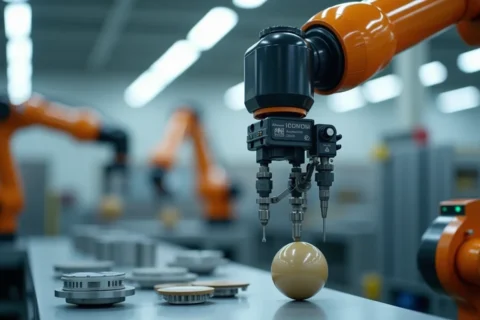
The cash flow from these micro-monopolies funded the next tier of industrial ambition. The same factories that mastered chrome plating and zero-tolerance alignment for clippers evolved their capabilities into auto parts, heavy machinery components, and the precision casings that early electronics demanded. The skills were transferable because the underlying disciplines—material science and high-volume precision manufacturing—were identical.
The Same Factories, Different Products
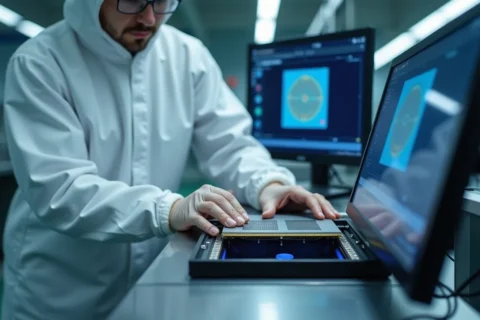
The progression looks obvious in retrospect. Three Seven’s stamping presses and heat treatment lines occupied one end of a continuum that now includes Samsung Electronics and SK Hynix. These companies control seventy to seventy-five percent of global DRAM production, nearly half of NAND flash memory, and more than ninety percent of the high-bandwidth memory stacks that train models like GPT and power Nvidia’s accelerators. Samsung Display ships over seventy percent of small-to-medium OLED panels found in premium smartphones, including recent Apple flagships. LG Display owns the large-format television OLED segment.
The shipbuilding trio of HD Hyundai Heavy Industries, Samsung Heavy Industries, and Hanwha Ocean routinely secures seventy to eighty percent of global LNG carrier orders. These vessels require cryogenic engineering precision that directly descends from the tolerance culture those early metal pressers internalized. In EV batteries, LG Energy Solution, SK On, and Samsung SDI dominate supply to Western automakers including Ford, General Motors, Volkswagen, and BMW, at least outside China’s protected domestic market.
KITA counts more than eighty-one distinct products where South Korea holds the top global market share. The common thread is not sector-specific genius but a repeatable industrial pattern: identify an overlooked niche, achieve cost and quality dominance through manufacturing discipline, extract cash flow, and reinvest upward into more complex products requiring the same foundational capabilities.
The Blueprint in Plain Sight
Japan’s post-war trajectory offers the clearest comparison. In the 1950s, Japanese factories dominated cheap tin toys and basic transistor radios, using those revenues and skills to build the industrial base that produced Sony and Toyota. South Korea executed the same playbook with different opening products, starting roughly two decades later.
The nail clipper monopoly was never an eccentric footnote. It was the first iteration of a system that now shapes global supply chains for memory, displays, and energy storage. The precision required for a clean cut at millions of units per month proved excellent preparation for the sub-nanometer tolerances of semiconductor fabrication. The discipline of making something cheap, durable, and globally distributed at scale became the discipline that builds world-leading industrial enterprises.
Three Seven still ships those 80 to 100 million clippers. The factory logic that made that possible now operates in cleanrooms and shipyards across the Korean peninsula, producing goods that attract far more attention. The underlying system has not changed.