A private well looks like the cleanest kind of independence until the ground starts arguing back. One property hits soft sand, another runs into basalt, a third needs a permit path no one expected, and the cheap estimate becomes a lesson in geology, regulation, and bad assumptions. The real trap is the hidden costs, which do not show up on the first quote sheet.
Enloe Drilling and Pumps, Inc. has been living with those variables since 1913. The company works across Oregon and California, serves Northern California and Southern Oregon, and frames its business around water well drilling and pump installations for domestic, agricultural, and municipal systems. That kind of history matters because wells fail for reasons that are usually invisible at the surface.
The family that learned the ground
The Enloe story starts with Clarence Enloe leaving his homestead near Bend, Oregon, to buy a steam-powered cable rig in Portland. He hauled it back, drilled the first well by an Enloe, then built the business through Klamath Falls and later Susanville before retiring. All three of his sons followed him into the trade.
Don Enloe, the oldest son and known in the family as Grandpa, spent wartime years in Washington State, then moved to Mt. Shasta in 1946 and kept drilling there. One municipal well for the city artesian flowed at more than 1,000 gallons per minute. By the late 1960s he was in Big Springs, still running cable rigs until retirement.
That is not nostalgia. It is a map of how long a company has had to read rock, water, and failure.
- Founded in 1913
- Four generations of well drillers
- Over 100 years in the trade
- Service area in Oregon and California
- Turnkey work from consultation to pump installation
Why the quote leaves out the hard part
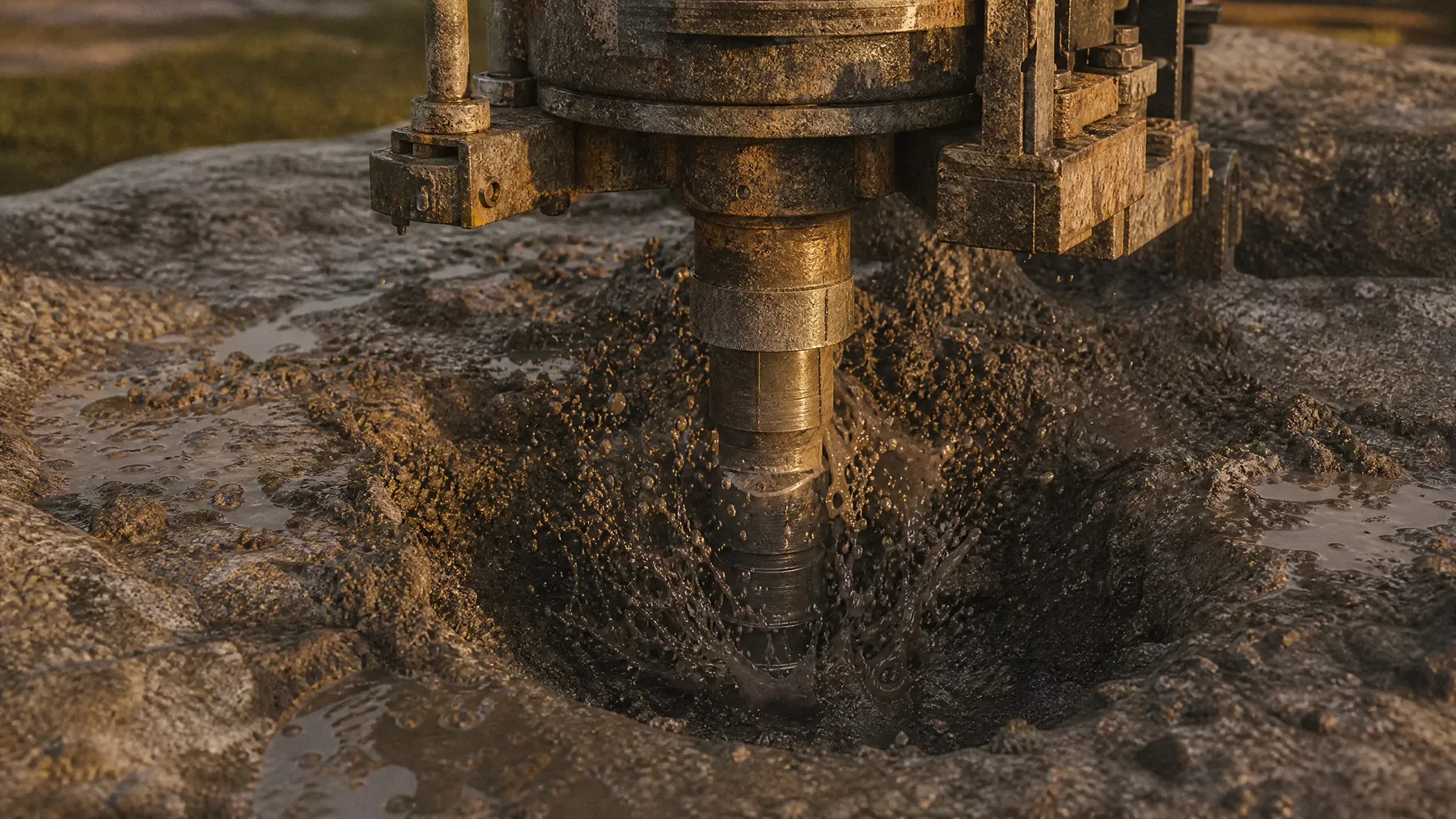
Geology is the first trick. A site that looks easy can hide hard rock, unstable layers, or a water-bearing zone that sits deeper than expected. Access can be the next problem. Steep terrain, tight driveways, trees, or existing buildings can slow rig setup before the drill even turns.
Then come the rules. Oregon and California both bring permitting and setback requirements that shape where a well can go, how it is built, and what testing follows. Water quality can also complicate the job, because a well that reaches depth still might deliver iron, sulfur, sediment, or too little flow for the house or farm that depends on it.
The company’s value is not just the drilling bit. It is the judgement around casing, development, pump sizing, and whether the site can support a system that will still work when the weather turns hot and the pressure tank starts cycling all day.
The five gains from drilling it right
- Better site assessment before drilling starts, which reduces the chance of a dry or weak well.
- Cleaner compliance with local construction rules and permitting.
- Stronger odds of reaching a usable aquifer at the right depth.
- Longer service life through proper casing, sealing, and development.
- A supply sized for the actual need, whether that is a home, a farm, or a commercial use.
The five gains from a solid pump installation
- Steady water delivery with less downtime.
- Proper pump sizing matched to the well yield and demand.
- Lower strain on the system when the pump is selected and installed correctly.
- Faster repair when a failure shows up in the middle of peak usage.
- Better protection for pressure tanks, controls, and the rest of the water system.
The questions buyers keep asking
- How much does it cost to drill a water well?
It depends on depth, rock or soil conditions, location, and the equipment needed. A simple job can land in the low thousands, while deeper or more difficult projects climb fast. A site-specific quote is the only honest number.
- How deep does a water well need to be?
There is no fixed depth. The right answer depends on local geology, the water table, and how much water the property needs.
- How long does it take to drill a water well?
Some wells go quickly, others take days once access, depth, and ground conditions are counted. Permitting and testing can add time before and after the rig leaves.
- What permits are required?
That depends on county rules, well type, and intended use. Domestic, agricultural, and municipal projects can follow different approval paths.
- What happens if the well water is poor or the flow is weak?
The answer may involve deeper drilling, a different pump, testing, or treatment. A good contractor plans for those possibilities instead of pretending they do not exist.
What the site shows about the work
The services list is broad for a reason. It includes water well drilling, pump installation and repair, agricultural plus domestic wells, geotechnical drilling, water well testing, and residential water wells. The recent projects section is tagged with water-well-drilling, well drilling, and well installation, which is exactly the kind of plain-language evidence buyers look for.
The testimonials are similarly direct. Betsy Erickson says the company repaired a well pump that quit in the middle of summer. Scott Mathews recommends Arley Enloe as a Christian family man who does a good job. Kelynn Fleischman calls the service great and says the experience was excellent.
The contact path is built for action. The page offers “Call us now,” the numbers 530-964-2807 and 541-841-4124, plus “Request A Quote.” The form asks for Name, First, Last, phone details, Email, What area are you located in?, a selection menu, Enter your message, and Submit.
A fourth-generation drill company does not survive by guessing. It survives by knowing when the ground will cost more than the quote, when a pump will need attention, and when a well needs testing before anyone calls the job finished.